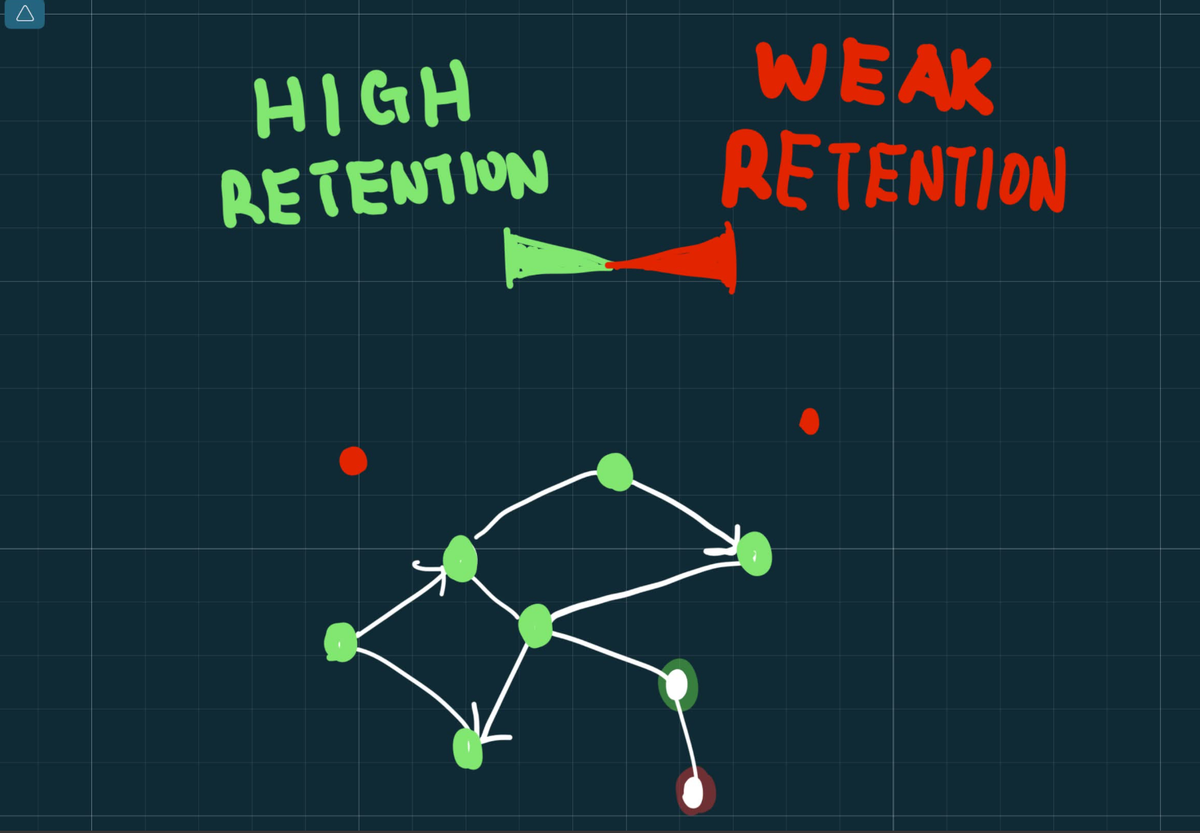
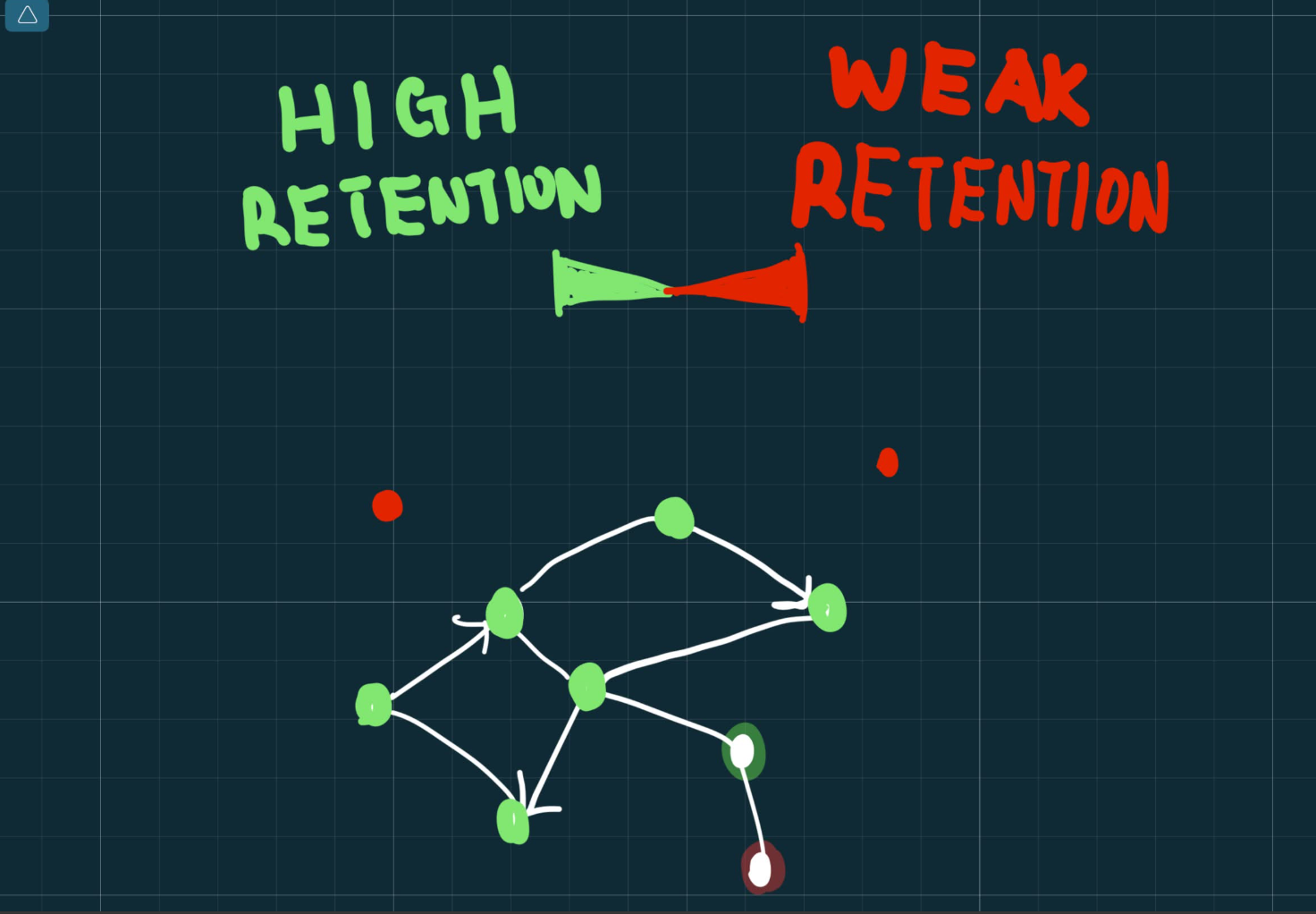
Stop memorizing facts one by one — build the Big Picture instead

Imagine you are given a box of puzzle pieces and asked to remember what every individual piece looks like.
Would you:
A. Memorize every piece one by one
B. Build the puzzle, then remember the finished image
B is obviously easier.
A puzzle may contain dozens of separate pieces, but once they connect, they form one coherent image. You no longer have to hold every fragment separately—the image gives each piece a place and meaning.
Studying can work the same way.
Most of us treat information as isolated facts that need to be memorised one by one. Instead, treat each new fact as a puzzle piece: something that needs to connect with other ideas until the topic becomes one coherent structure.
Why try to memorize 100 disconnected facts when you can build one model that encapsulates how all the facts fit together?
(Below is a mental model that visualizes the core idea)
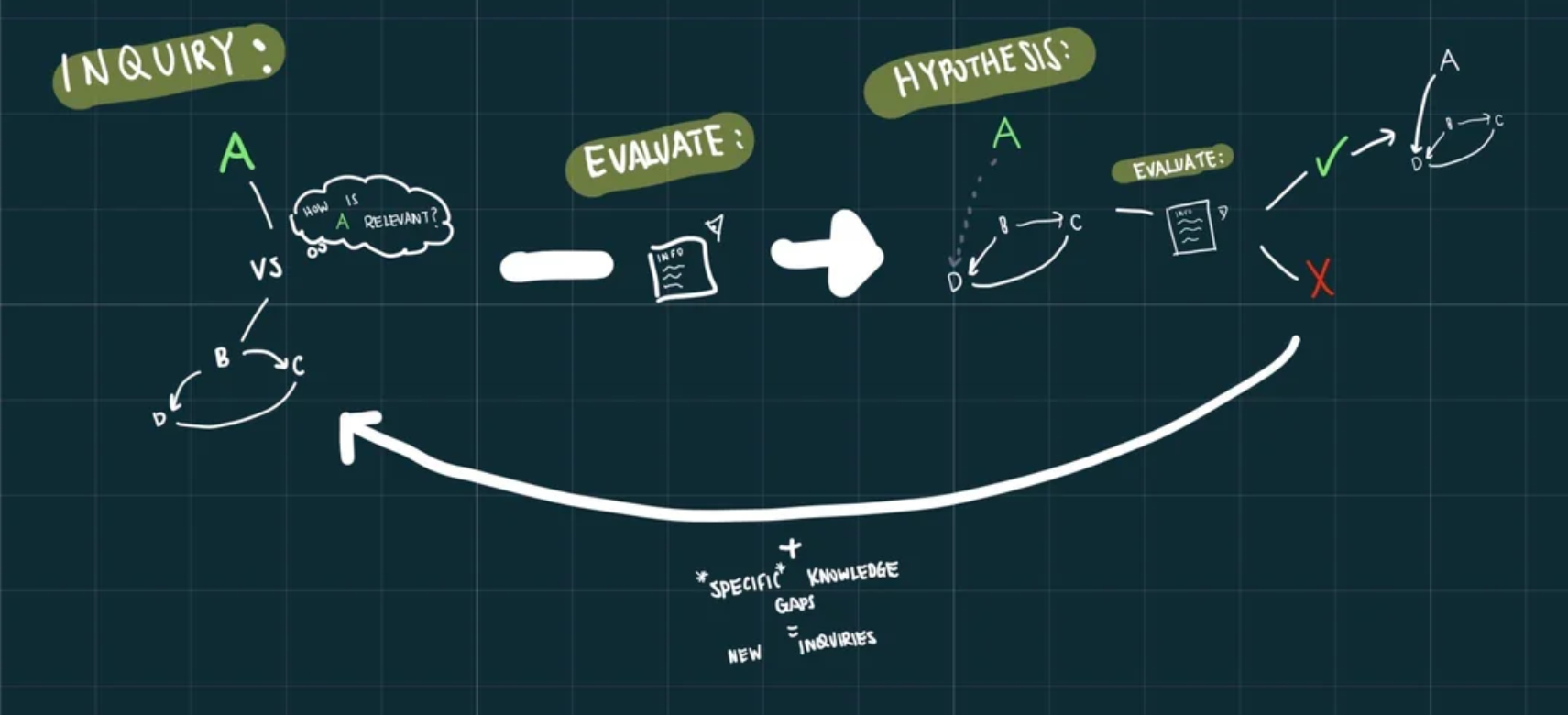
Inquiry-Based Learning - Your guide to Building the Big Picture
Take one piece of keyword, and feed it into process below:
- Inquiry: How could this be relevant to another concept I already know?
- Evaluate: gather data to form a hypothesis
- Hypothesis: Propose a specific connection.
- Evaluate: Check whether that connection actually holds up against the textbook, lecture, question, or source material.
There are two possible outcomes, either:
A. the hypothesis stands —> new connection formed.
or
B. the hypothesis fails—> find your Specific knowledge gap --> feed new inquiries into step 1
(If the workflow for B feels vague, let me know! I'll elaborate on it in a future post)
And you Repeat this process for every new piece of keyword you take in
(Below is a mental model that visualizes the above logic)
Inquiry-Based Learning - Applied to a Real Example
Example in real-time:
Topic: Protein digestion in the stomach
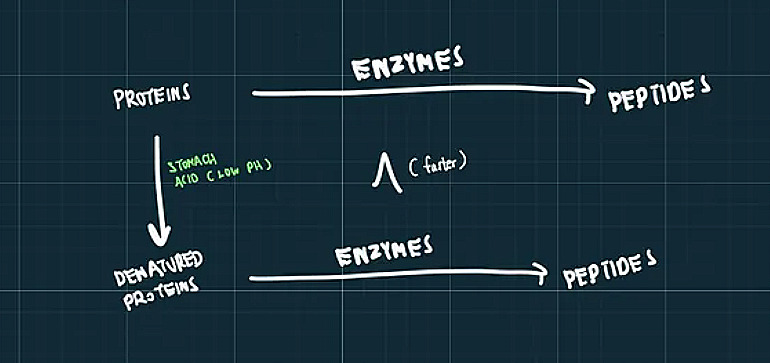
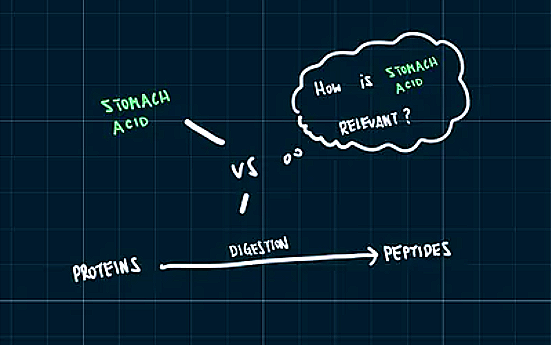
Existing connection: proteins—digestion—>peptides
Enter a new keyword: stomach acid
- Inquiry: How is stomach acid relevant?
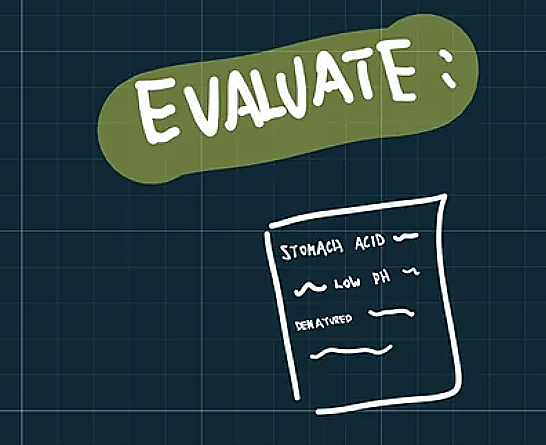
2.Evaluate: Read: “stomach acid” has “low pH” and “denatures” proteins
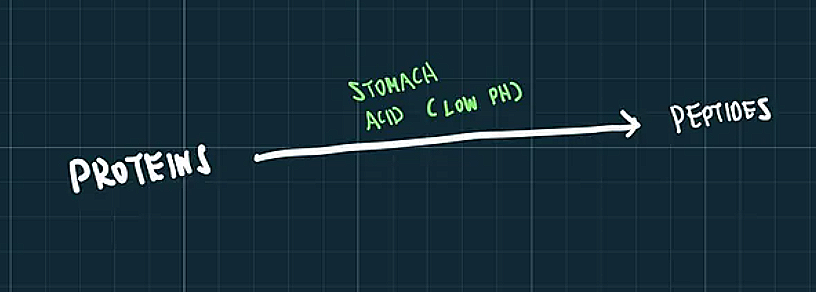
3. Hypothesis: Proteins —stomach acid (Low pH)—> peptides
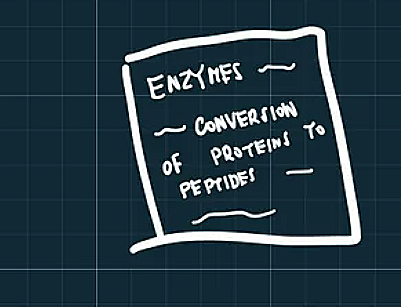
4. Evaluate: new information contradicts hypothesis – > Hypothesis fails
Reasoning: Read that “enzymes” are what actually “converts proteins to peptides” not stomach acid —> “maybe denatured proteins don’t exist as peptides”—> gap: definition of denaturation
—> new Inquiry
- Inquiry: What is denaturation?
- Evaluate: Read: denaturation is related to “unfolding of protein structure” , and “Exposes peptide bonds” for “easier enzyme digestion”
- Hypothesis:
proteins—stomach acid (low pH)—> denatured proteins—enzymes→ peptides
> (faster)
proteins—--enzymes——> peptides
- Evaluate: no contradiction with new information-->Hypothesis stands (for now!)